introduction
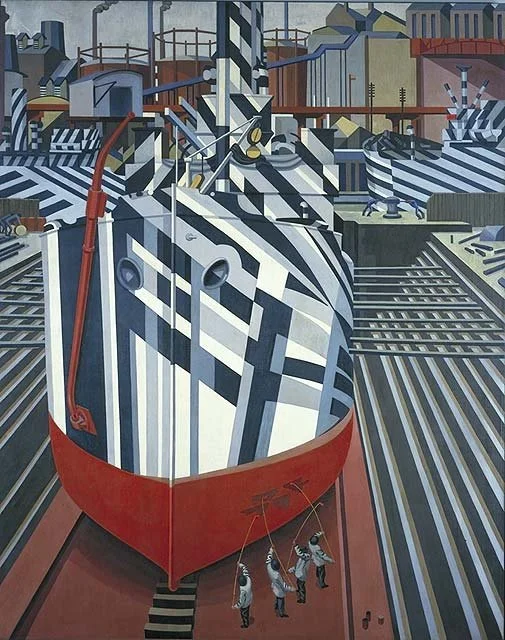
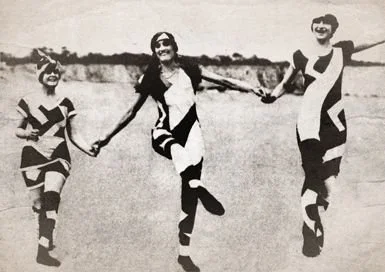
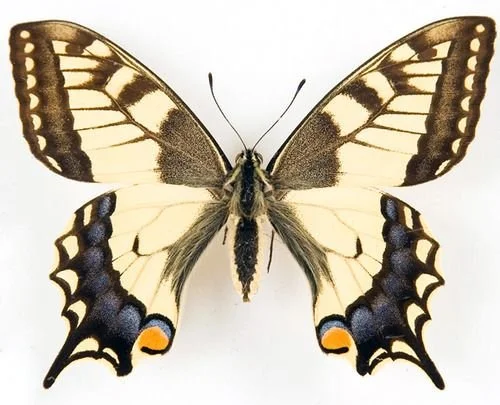
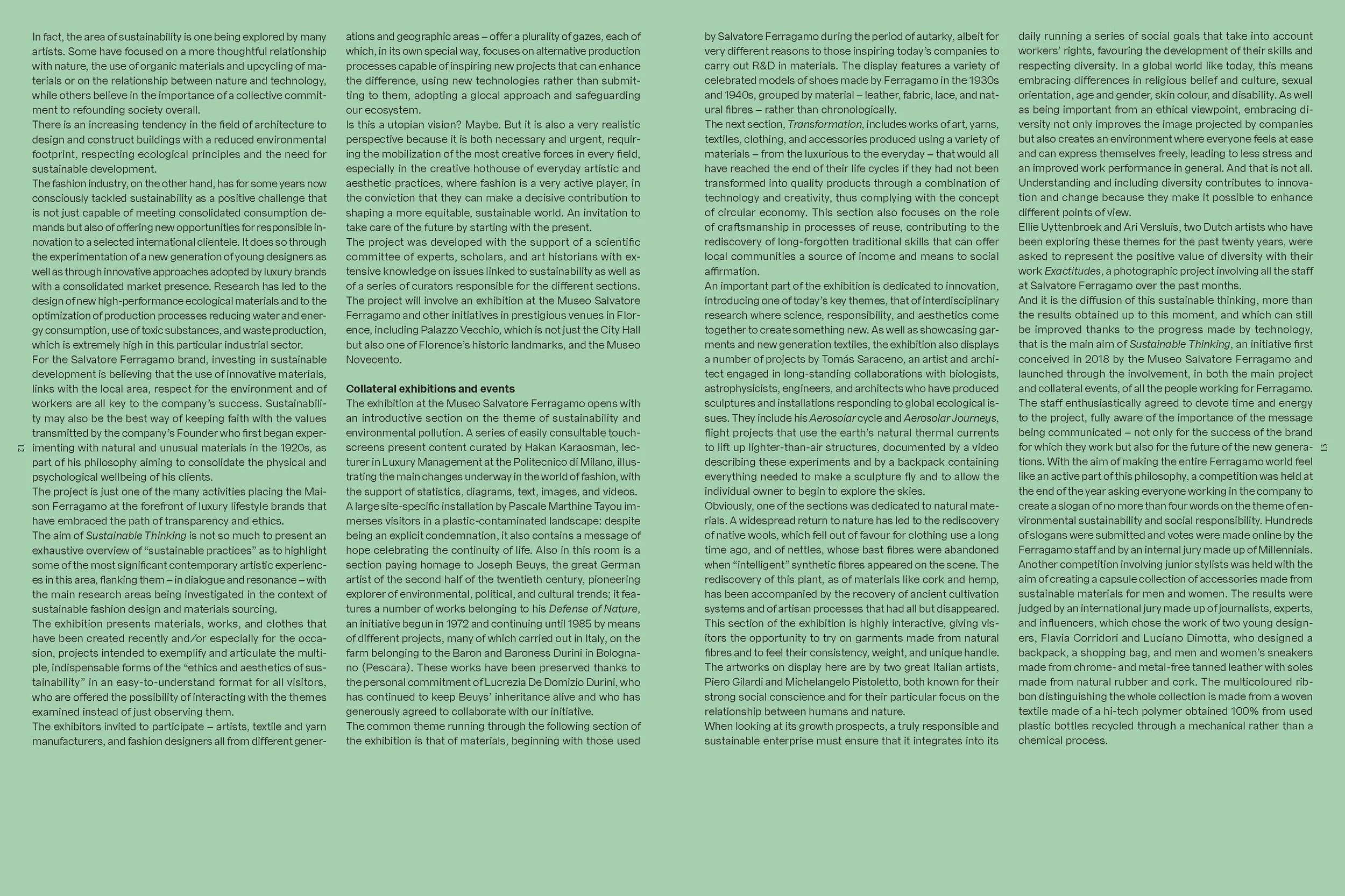
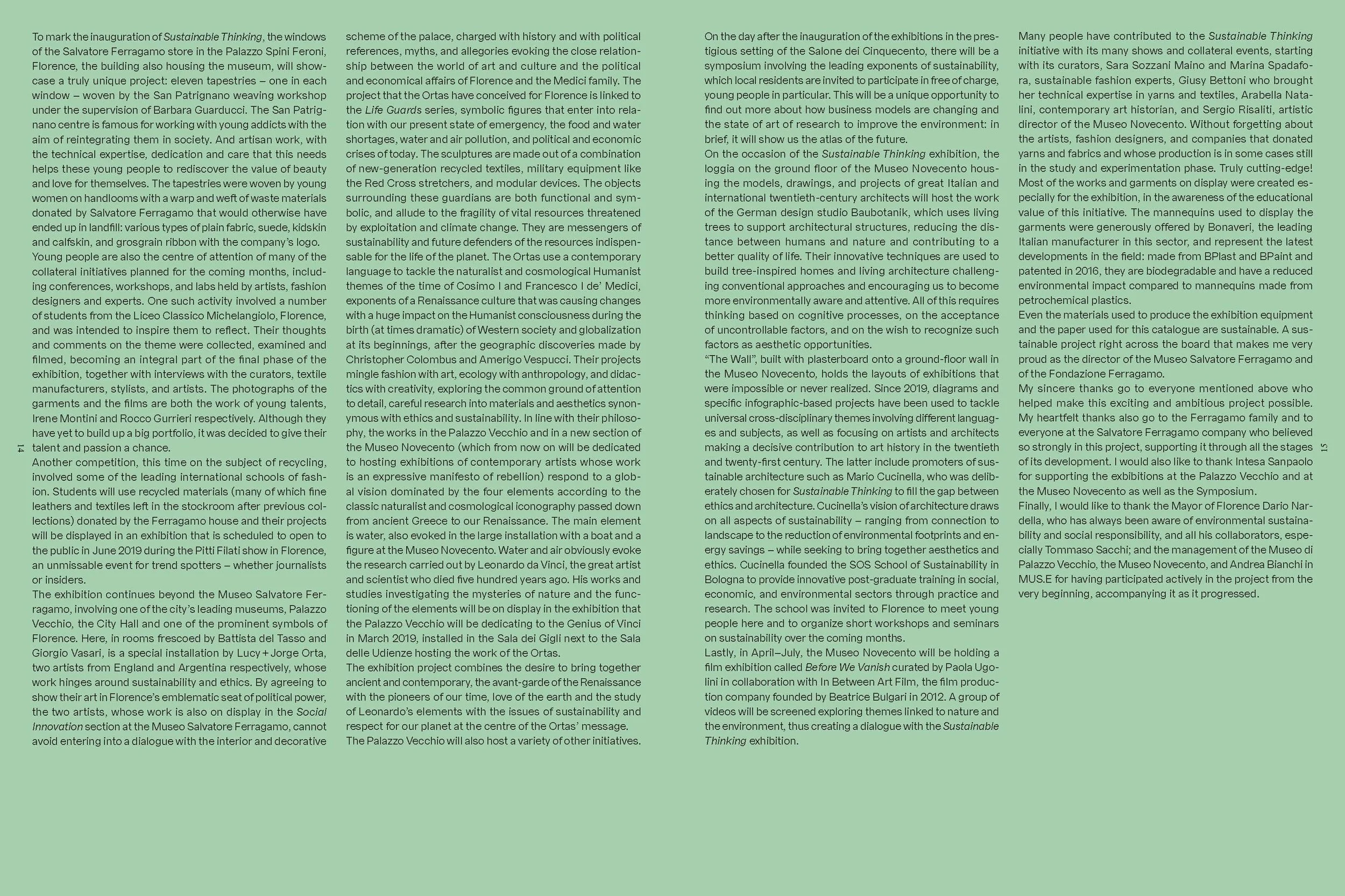
Dazzle the etymology and concept of patchwork in relation to time, place and the individual.
The negative shapes of traditional garment production waste
are re-imagined and realized as a responsive patchwork pattern
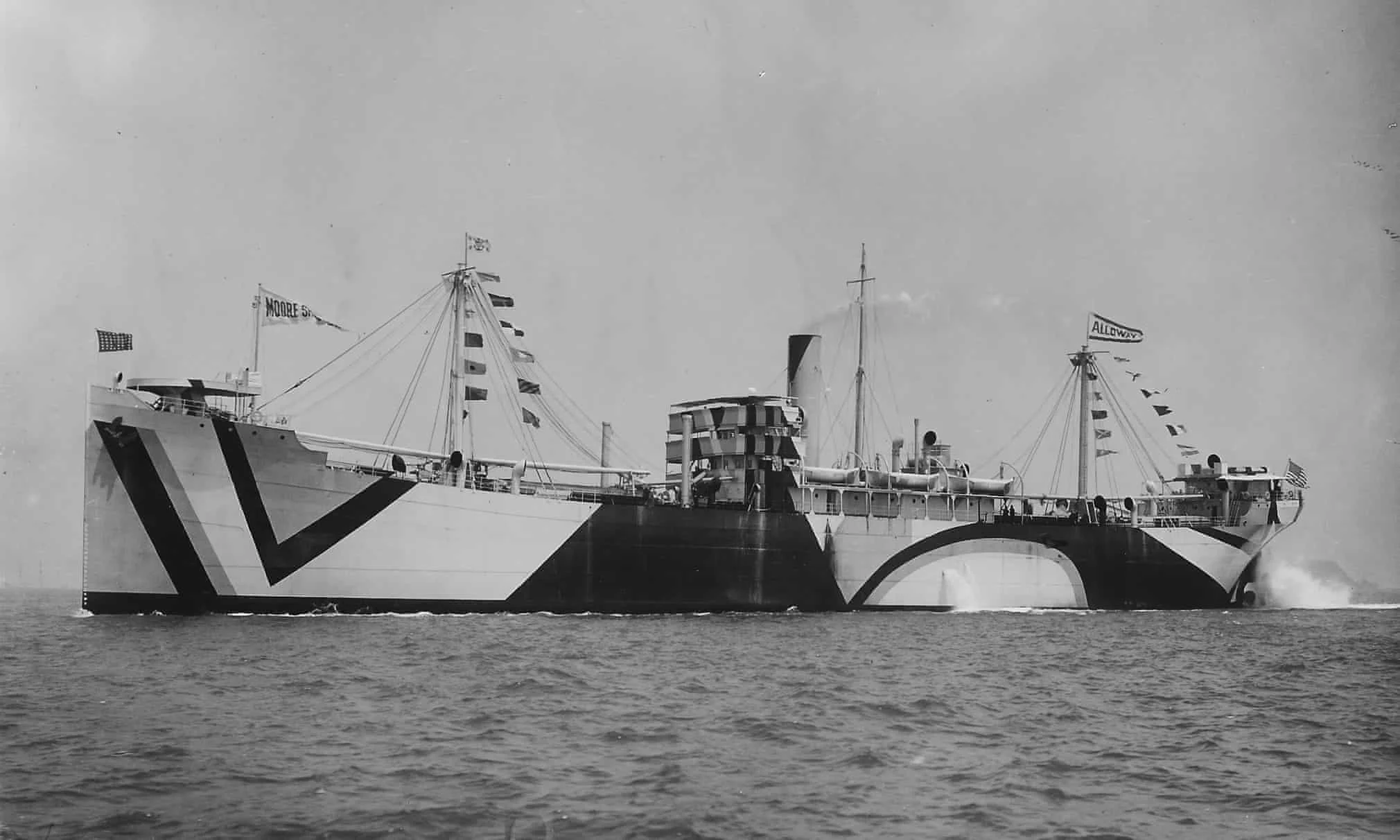
that evokes the spirit of futurist artists who helped develop
WWI dazzle camouflage.
PROCESS AND CONSTRUCTION
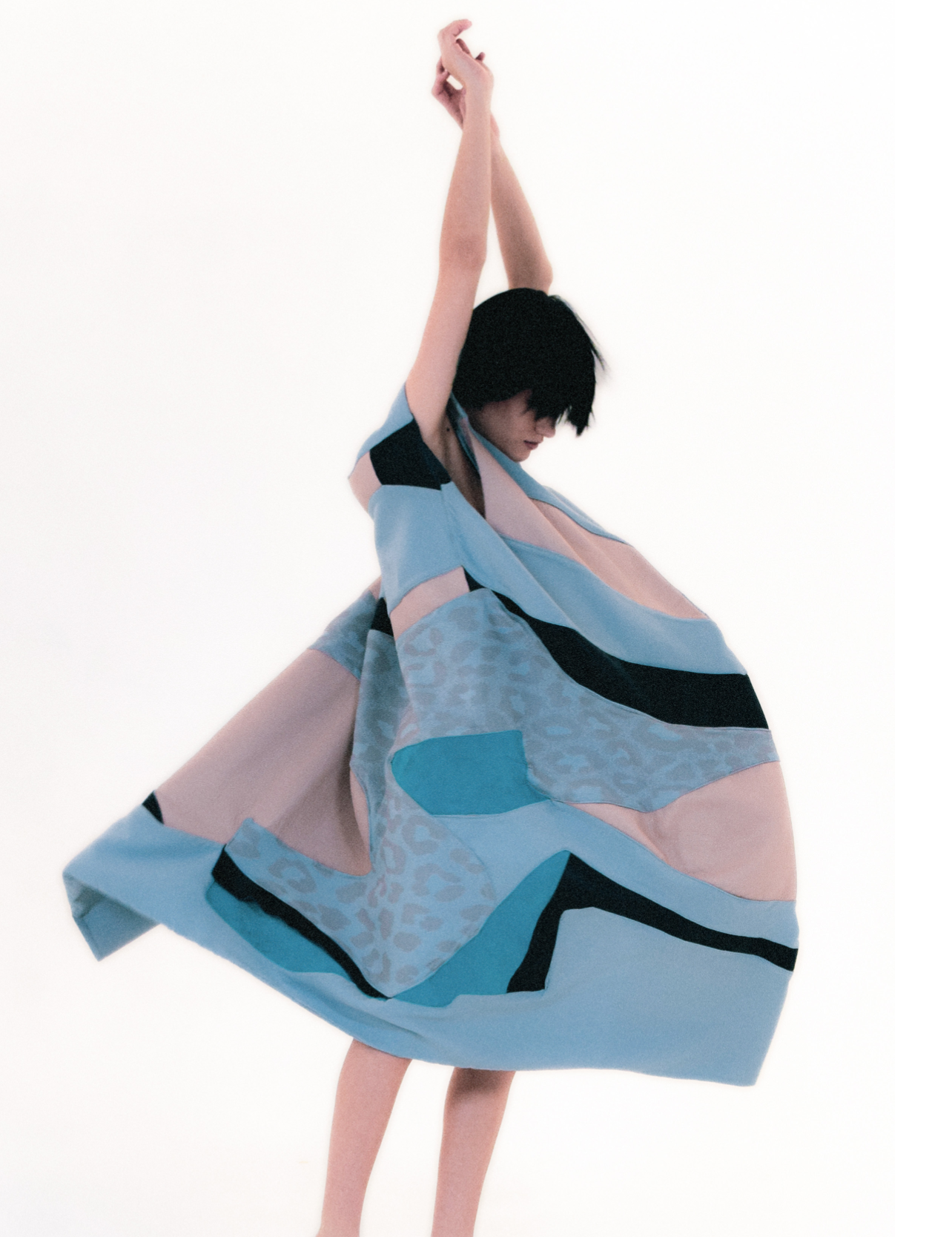
Given the challenge is centralized around “Sustainable Thinking” this garment was designed to maximize yield from given material, and minimaze use of third-party.
A dyed-to-match TEX-40 C15 thread from a local vendor, Barge leather cement, and closures, are the only other materials that are out-sourced. I decided to make an outerwear garment that utilized maximum yield without compromising the design.
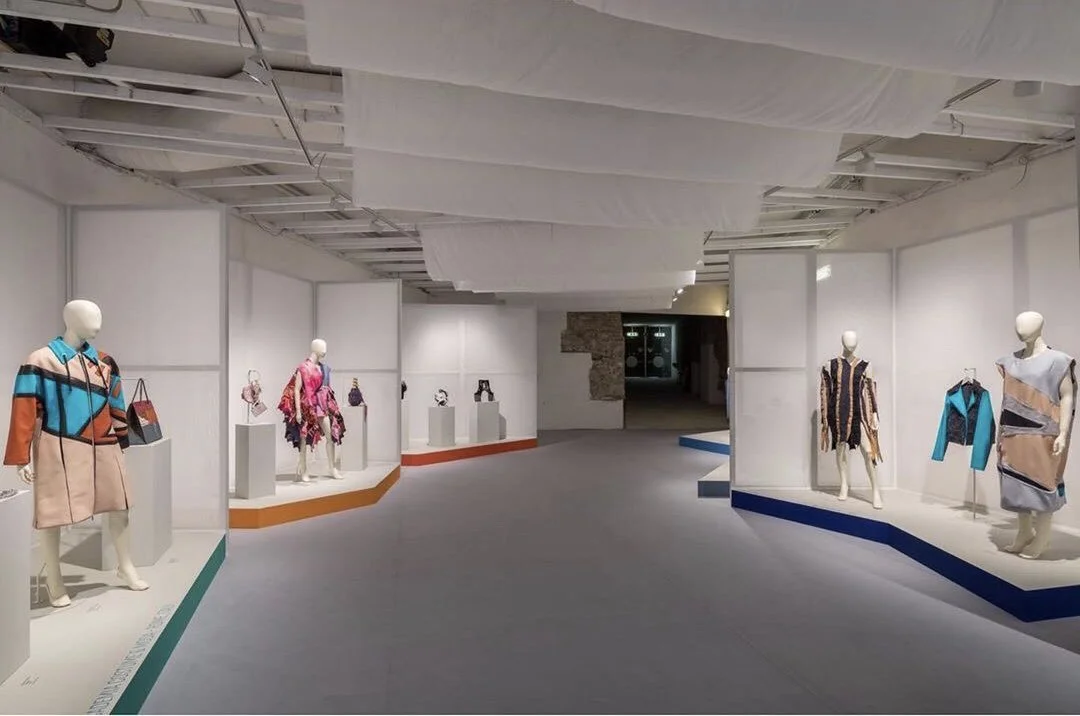
Shapes of artwork are interpreted on the form.
Silhouette and fit is decided.
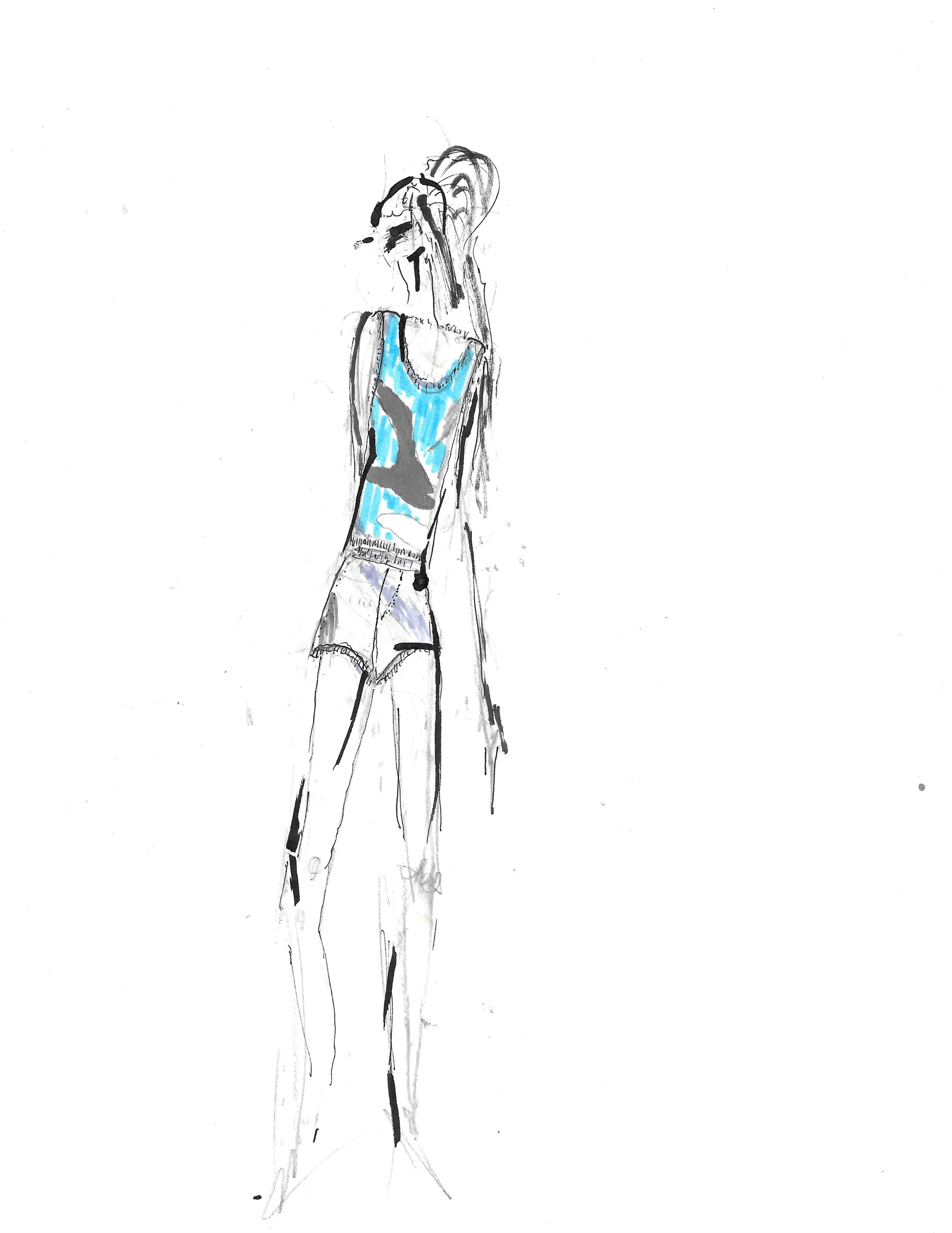
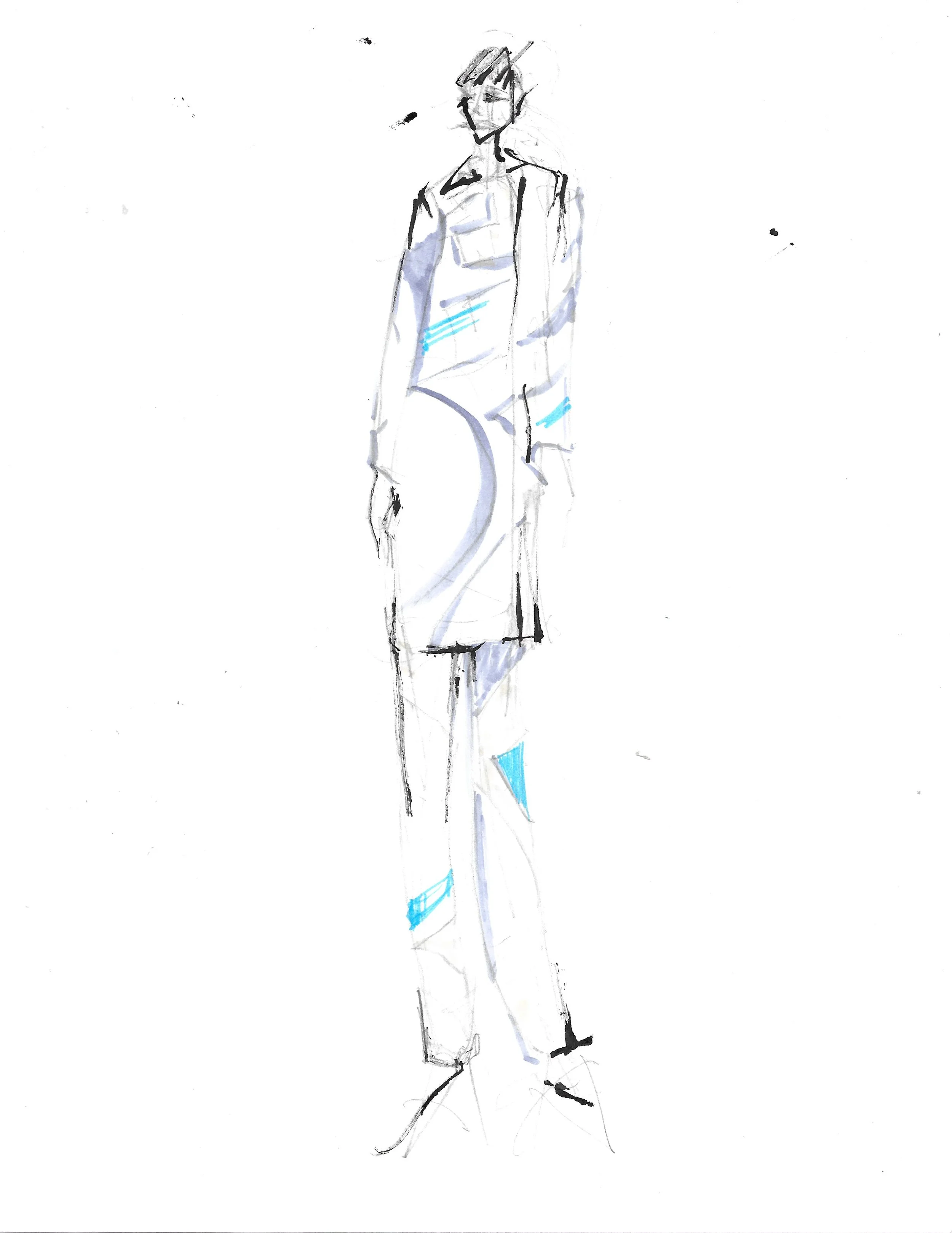
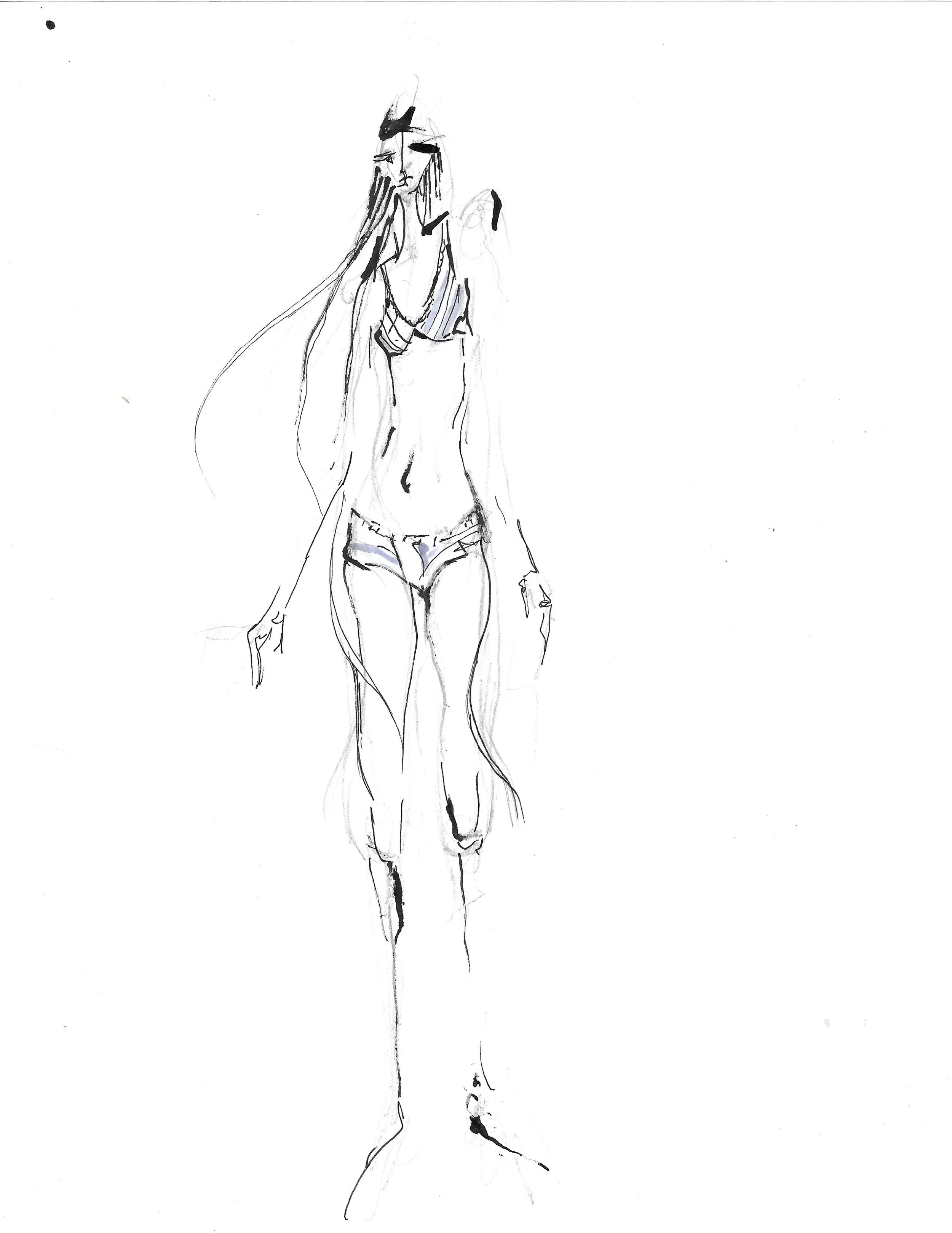
Renderings are made.
Patterns are printed and matched on the form.
Design is decided, pieces are cut and labeled accordingly
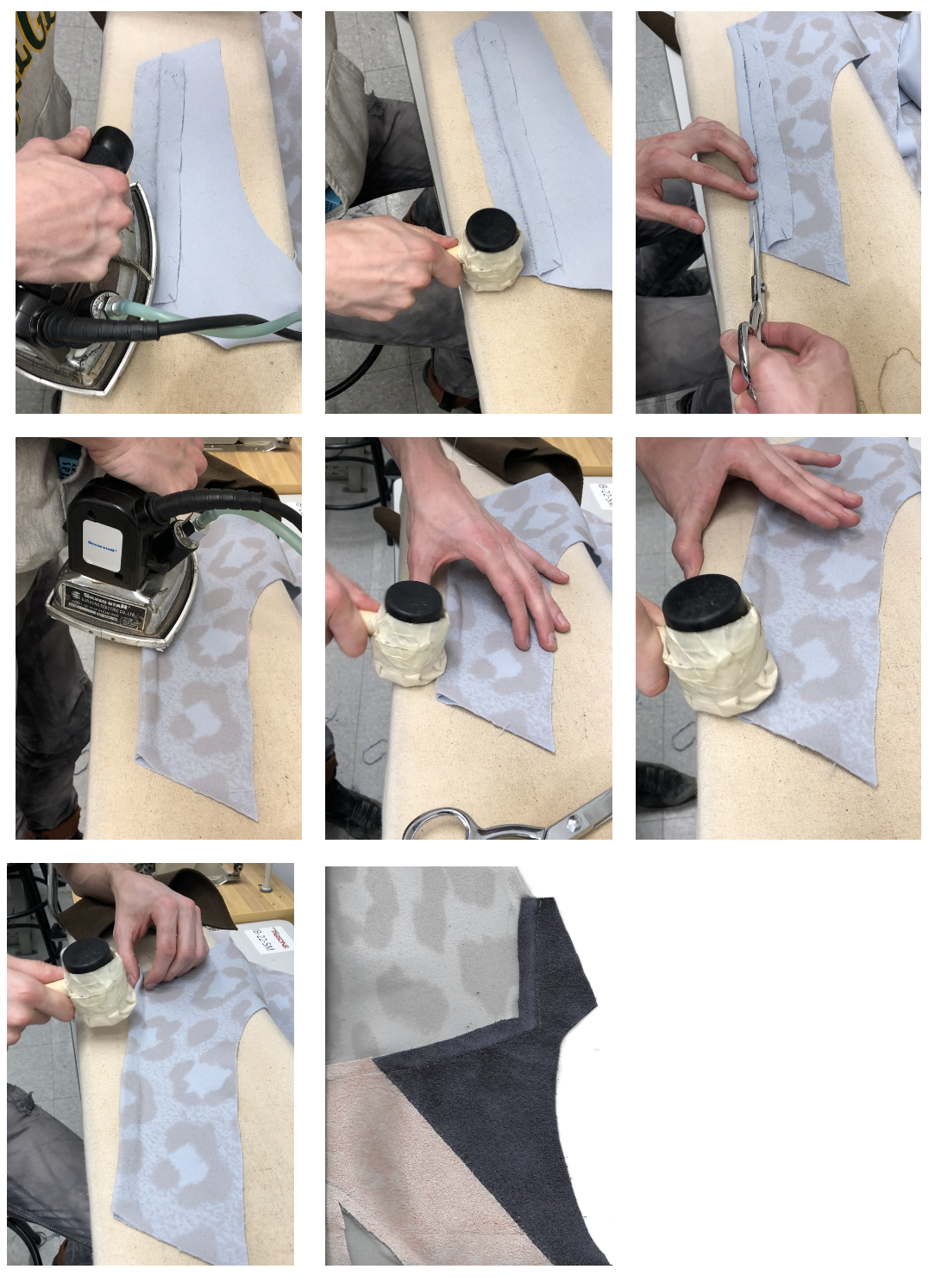
All wool to leather joins are made by using a double-face welt seam that is edge-stitched with one line of stitches at three-point-five stitch length.
All leather to leather joins are made with a surgeon whipstitch inside the nap, then glue is applyed inside the edge and massaged to create a seamless join.
Finishing is done by whip-stitching and ladder-stitching the pressed double-face welt seams.
Steam, clapper, and hammer are used to minimize bulk in seam allowance.



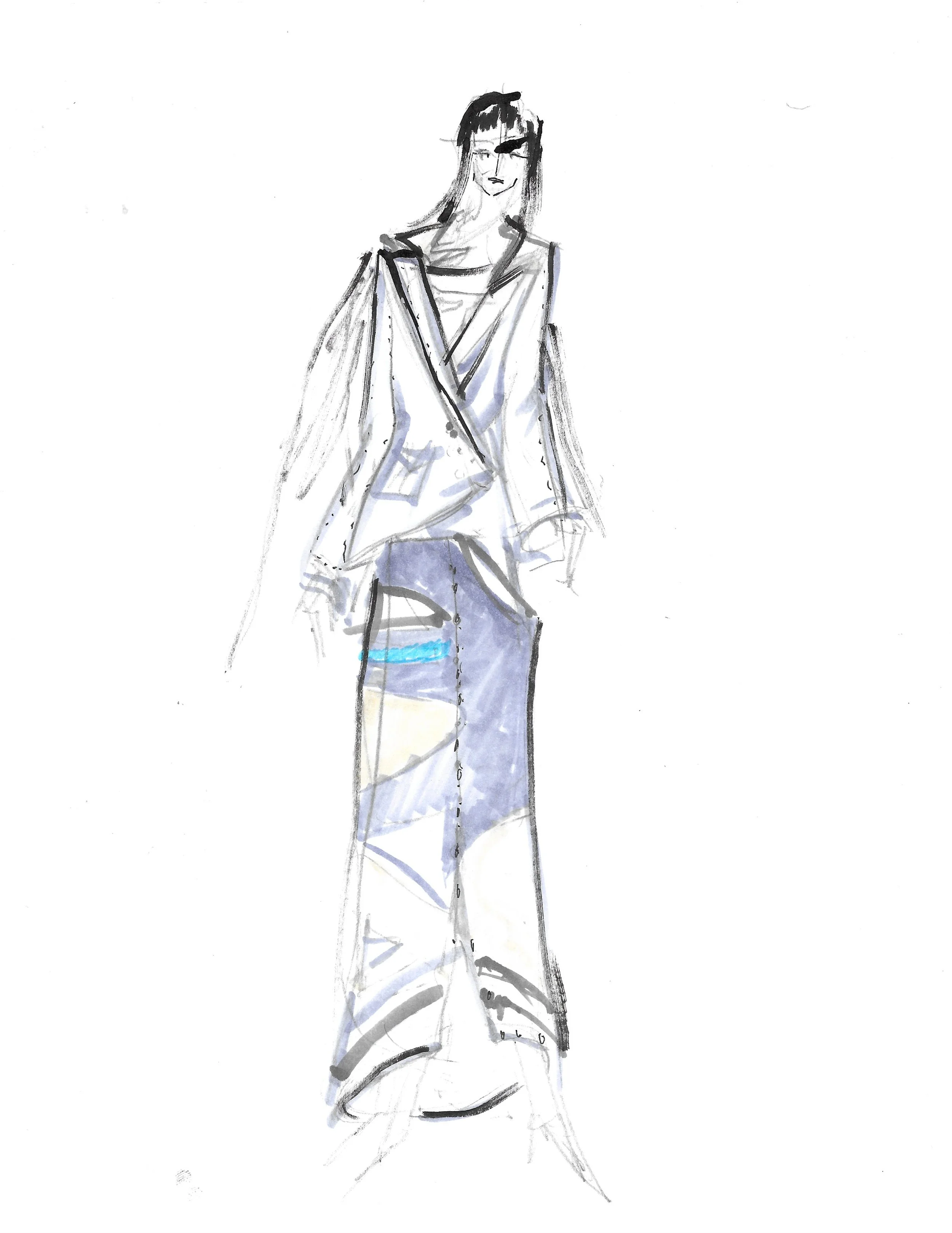
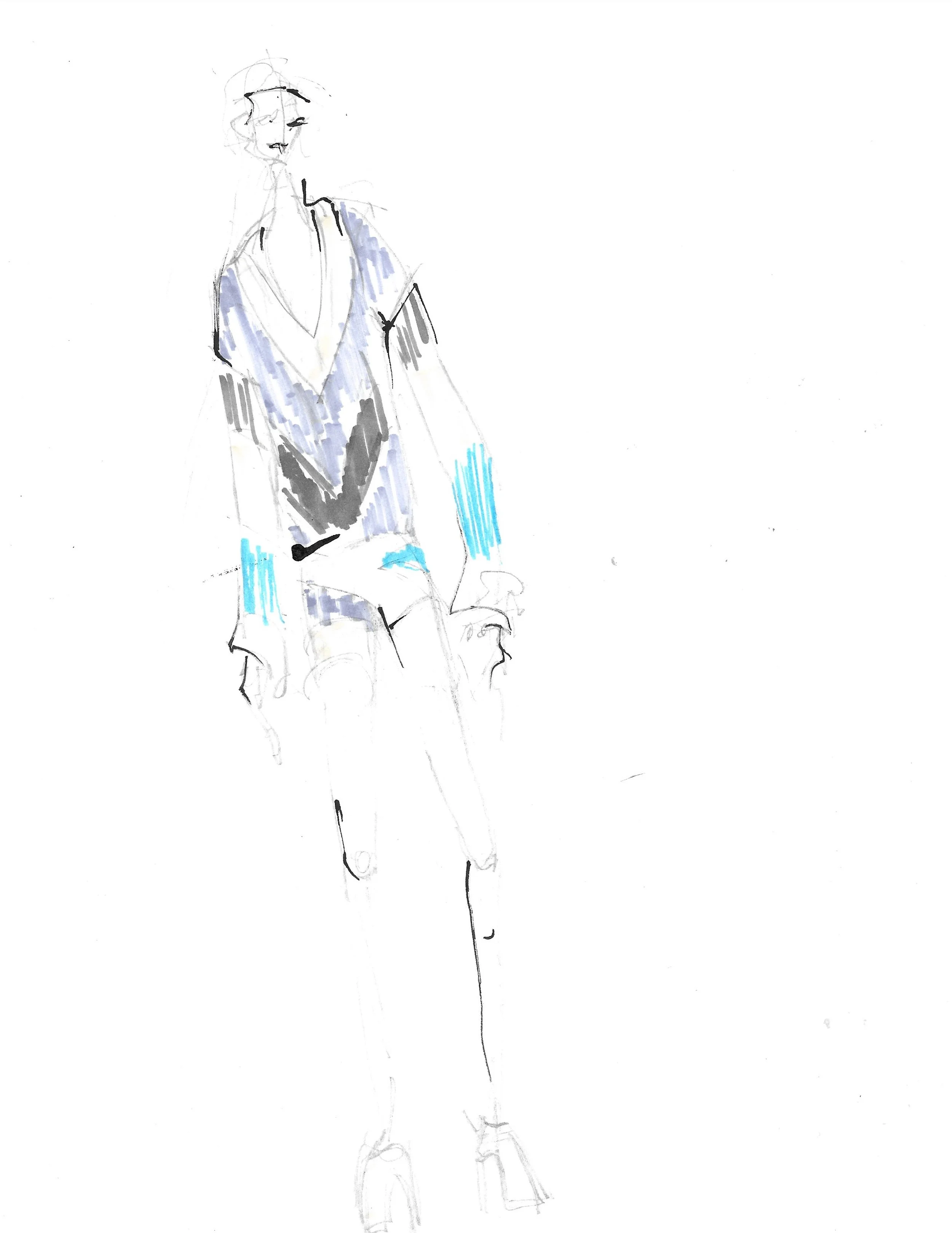
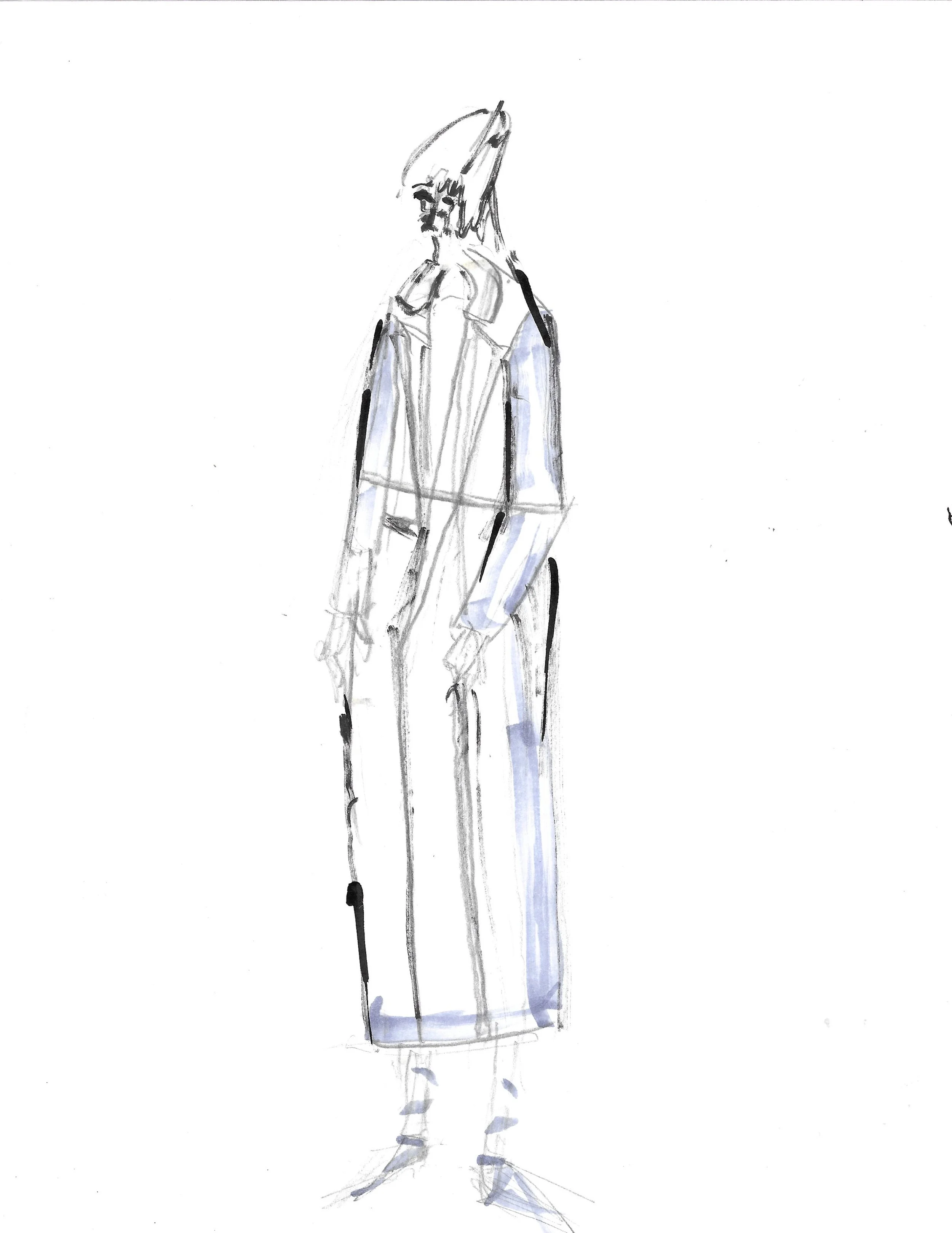
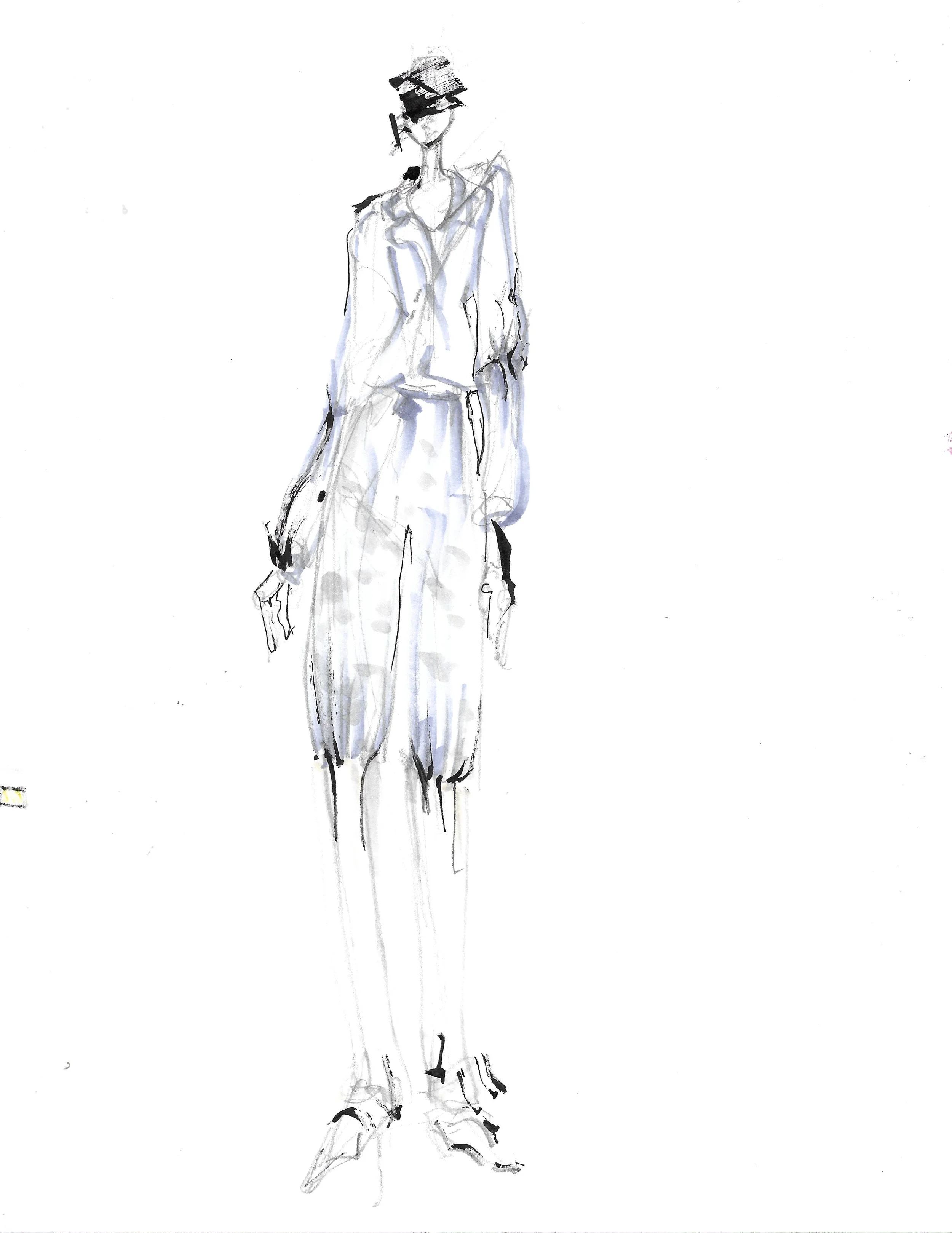
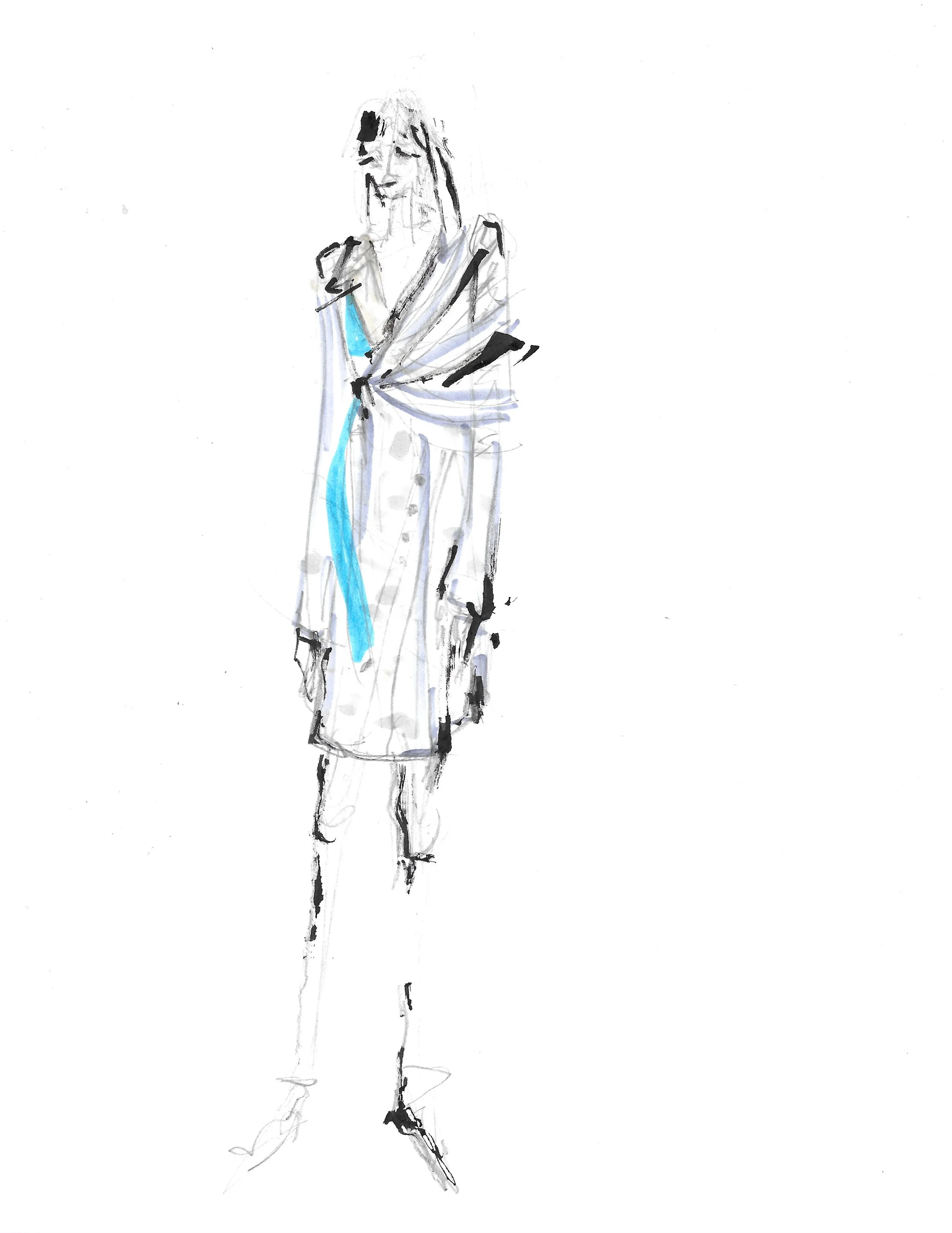
Design Inspiration
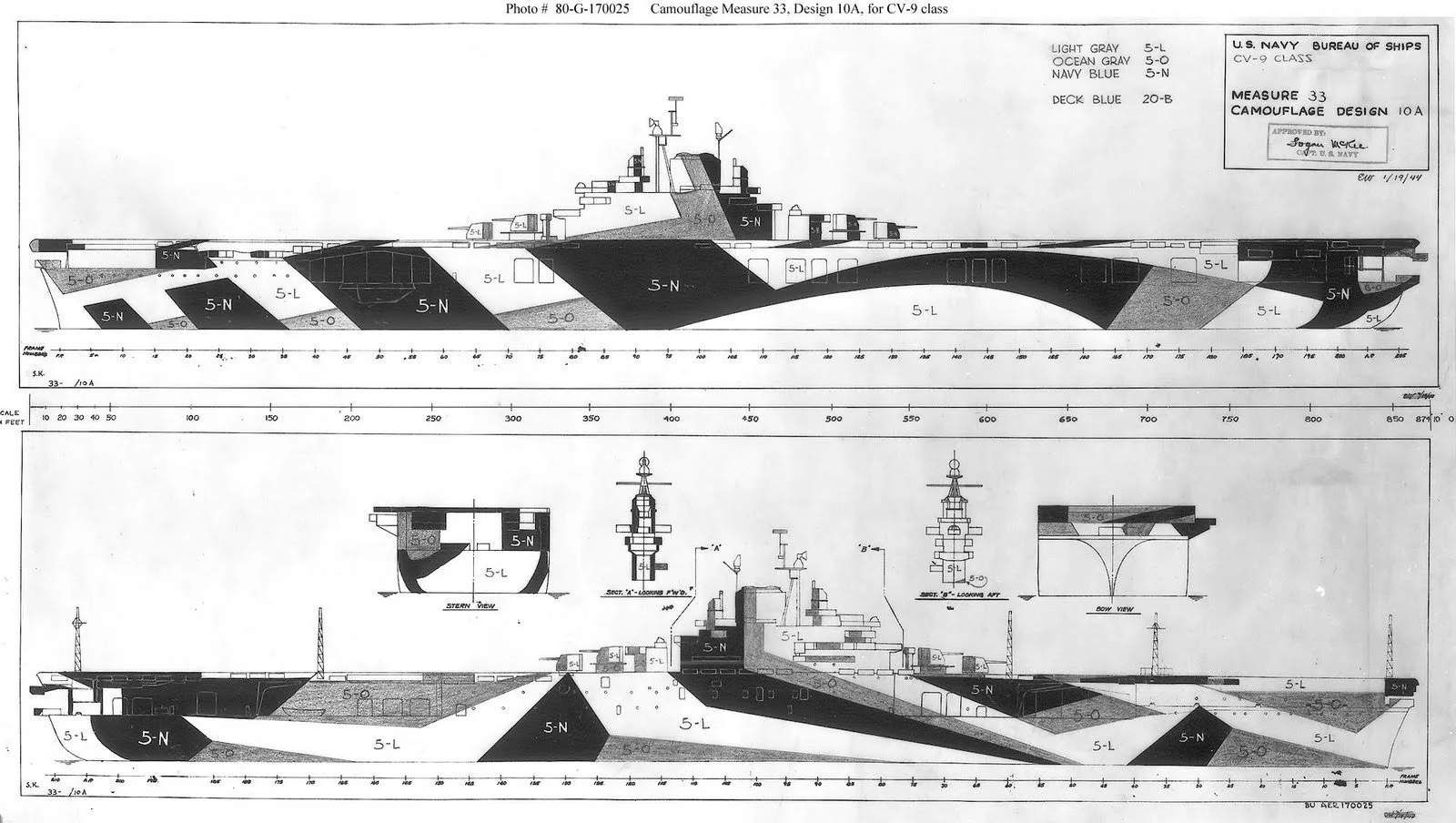
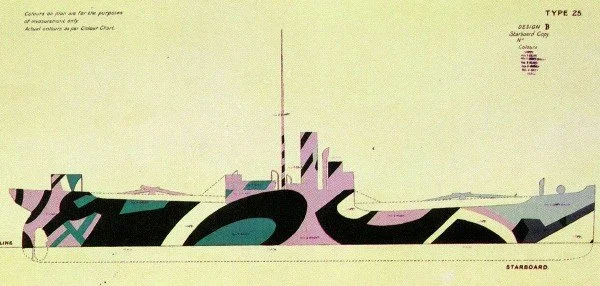
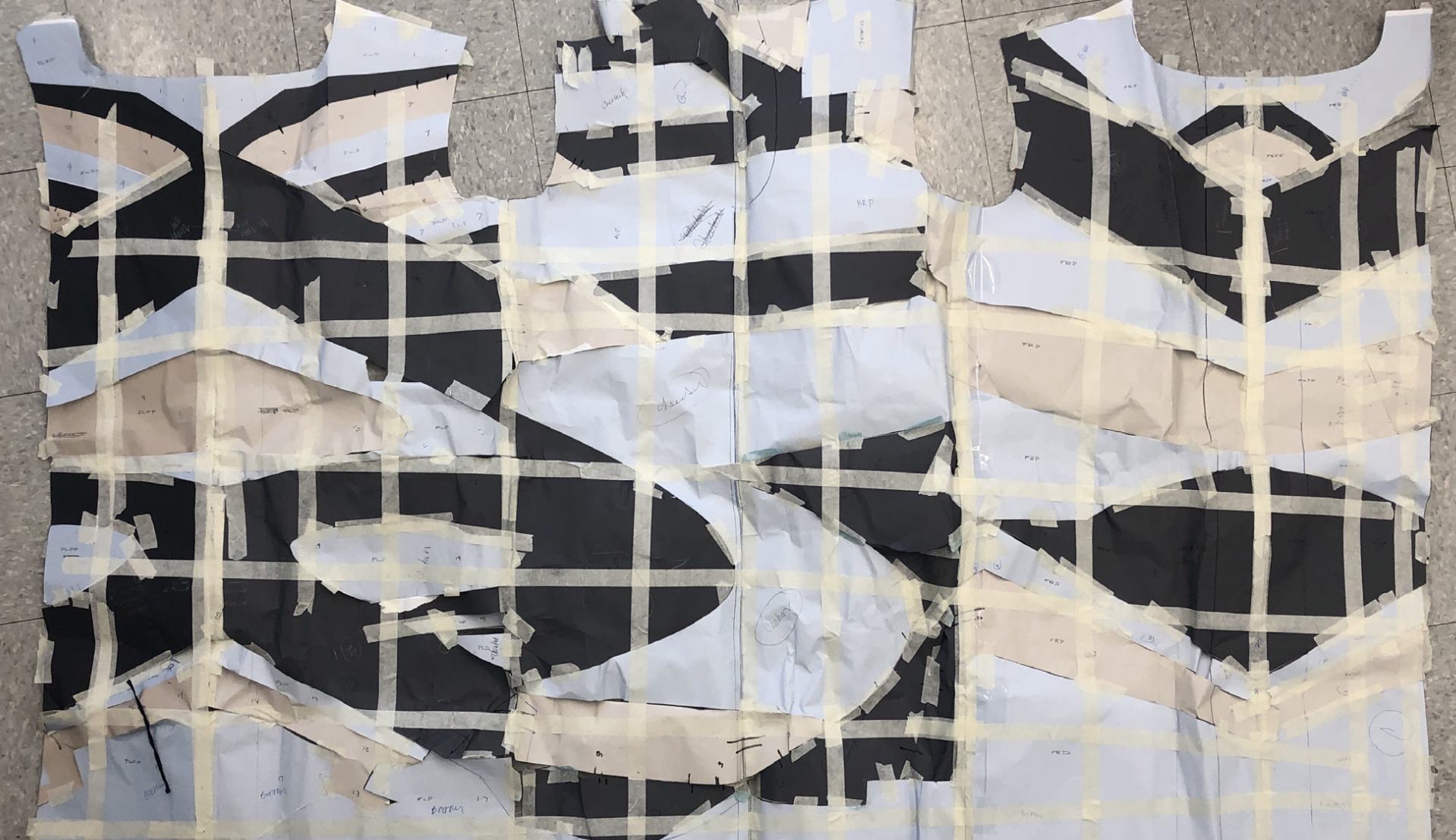
Developed from studies of dazzle camouflage used on British and American WWI warships.
The patterns are designed to be respectively modular, and responsive in order to adapt to any size waste from traditional pattern markers produced from the house. These off-cuts can be labeled and revitalized by using this patch-working method.
This system allows different departments of production to form a symbiotic relationship. For example, scrap leather from footwear, can co-habitate in the same product as fabric from ready-to-wear, and also have hardware from accessories.